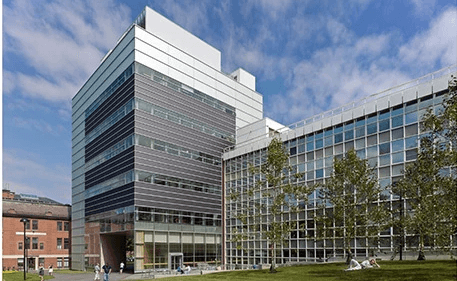
HARVARD CENTER FOR NANOSCALE SYSTEMS (CNS)
Harvard University — School of Engineering and Applied Sciences (SEAS)
Cambridge, Massachusetts, USA
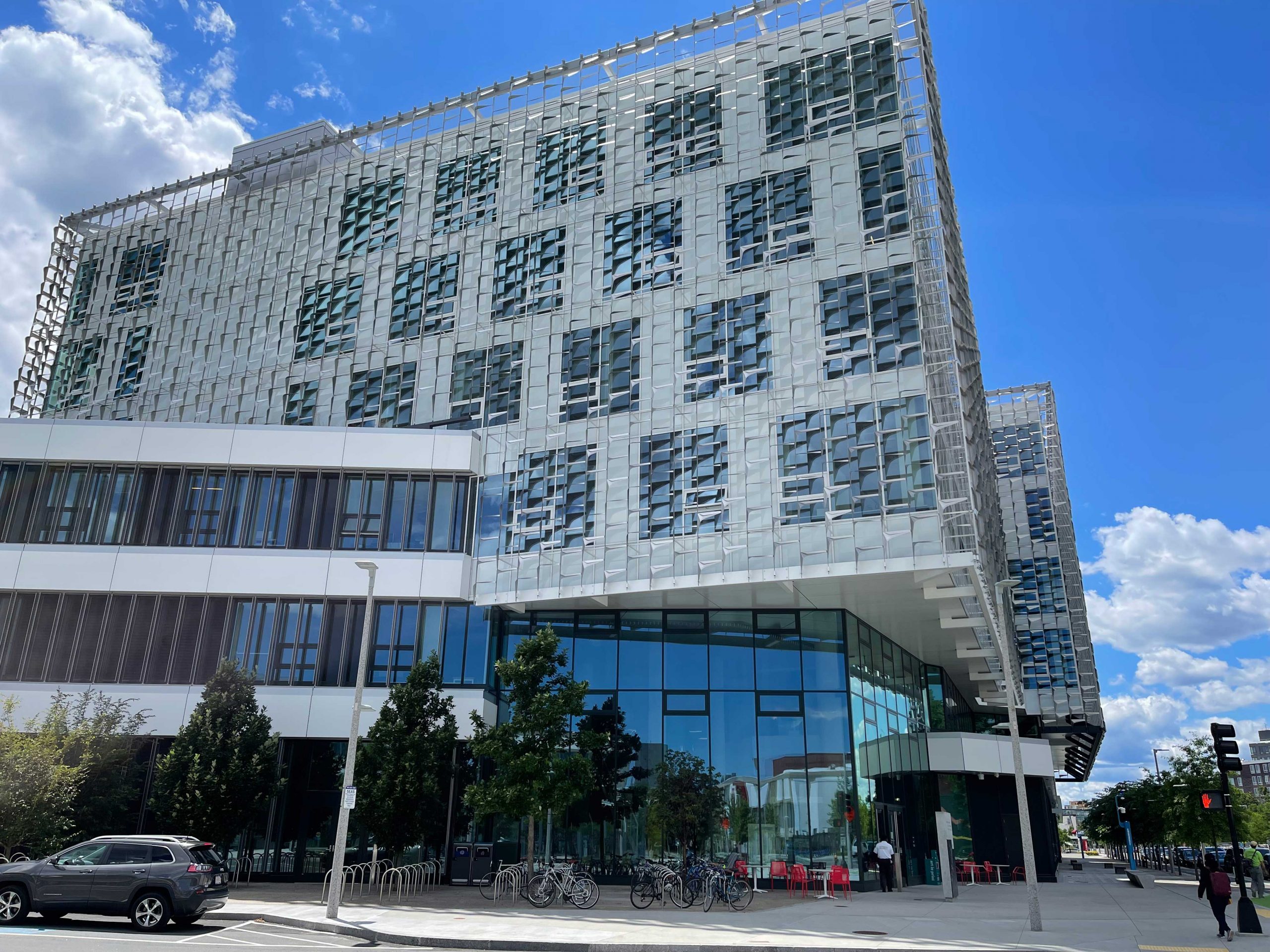
Project Details:
The Harvard Center for Nanoscale Systems (CNS) is a world-class research facility dedicated to advancing nanoscale science, engineering, and applied physics. Designed as a precision-controlled environment for cutting-edge research, the building houses specialized laboratories, cleanrooms, advanced imaging suites, and interdisciplinary collaboration spaces that support some of the most sophisticated scientific work in the world.
In Progress
2024–2026
520 m²
Project Overview
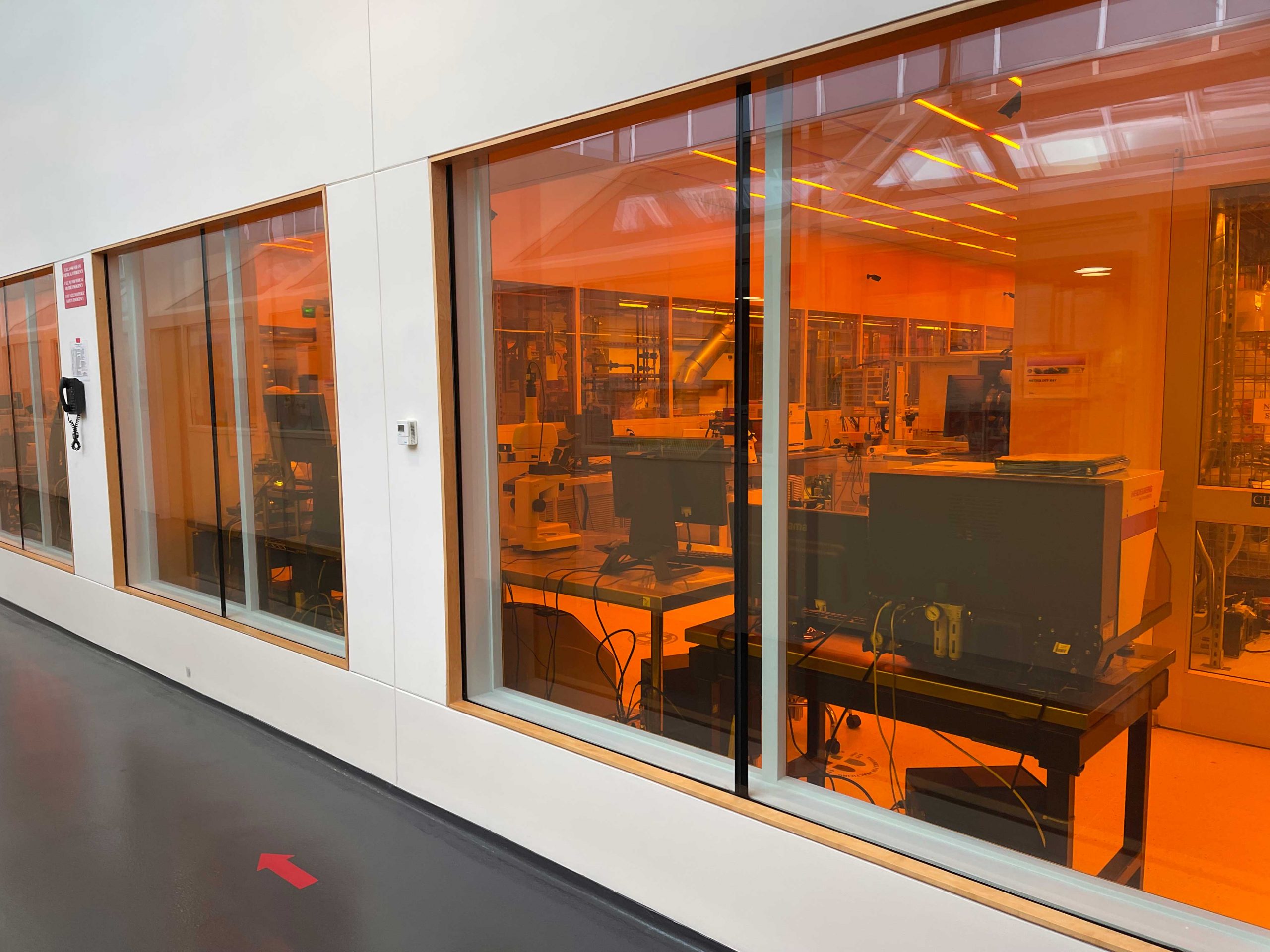
The facility integrates high-performance laboratory infrastructure with robust architectural and engineering systems capable of supporting ultra-sensitive research. CNS anchors a broader cluster of scientific buildings within Harvard’s engineering campus, including the Laboratory for Integrated Science and Engineering (LISE). Together, they create a hub for cross-disciplinary innovation—where physicists, engineers, chemists, and material scientists work side-by-side on next-generation discoveries.
Design Approach
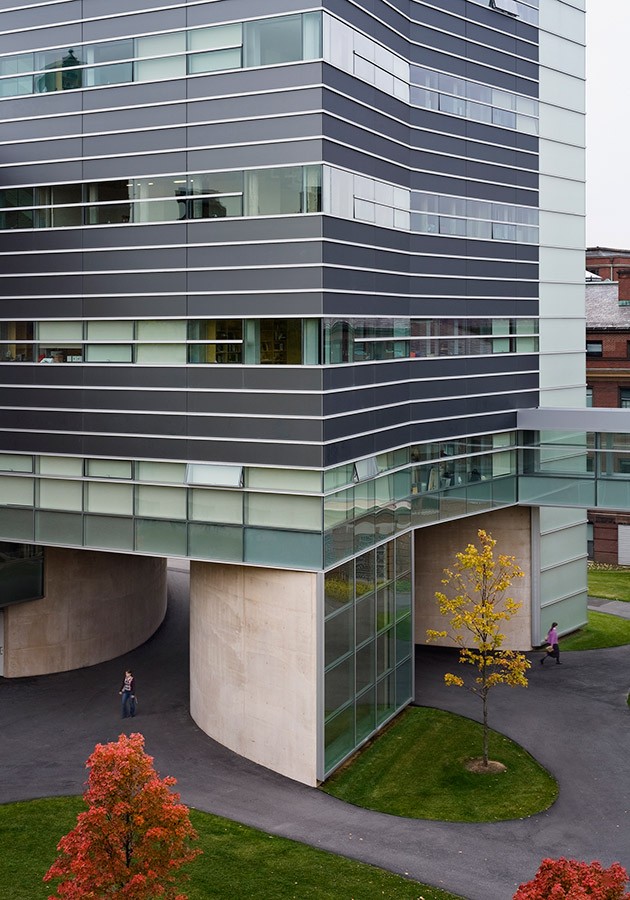
CNS is designed to accommodate the strict environmental controls required for nanoscale experimentation, including vibration isolation, electromagnetic shielding, air purity management, and highly regulated thermal stability.
Details
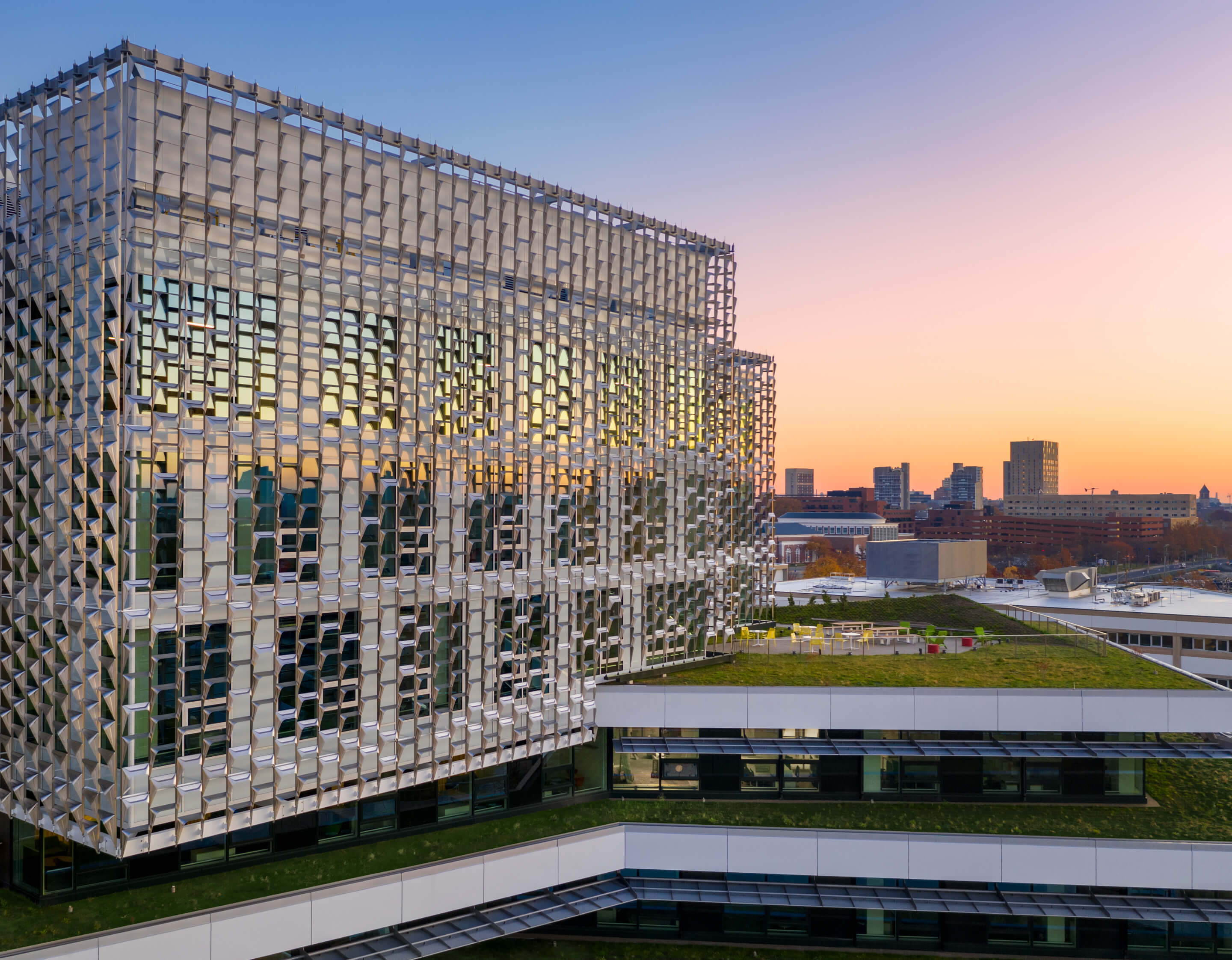
Architects: Perkins+Will / Wilson Architects (various facility expansions and renovations)
Scientific Focus Areas: Nanofabrication, imaging & spectroscopy, materials characterization, applied physics, quantum devices, and advanced prototyping
Size: Approx. 100,000+ sq ft of research and support facilities (combined CNS & LISE footprint)
Key Features:
State-of-the-art cleanroom environments
Advanced electron and ion microscopy laboratories
Ultra-low vibration spaces for precision research
High-performance mechanical, electrical, and control systems
Collaborative research zones and teaching areas
Purpose-designed façades and shielding for environmental stability
Project Focus: Specialized lab infrastructure, scientific facility planning, environmental control systems, academic research collaboration, high-performance engineering design
Status: Fully operational; continuously updated to support emerging research needs
Project Gallery
More from Our Studio

Executive Project Support
-

-
Let’s Build What’s Next
Partner with Lighthouse. Lead with Confidence.